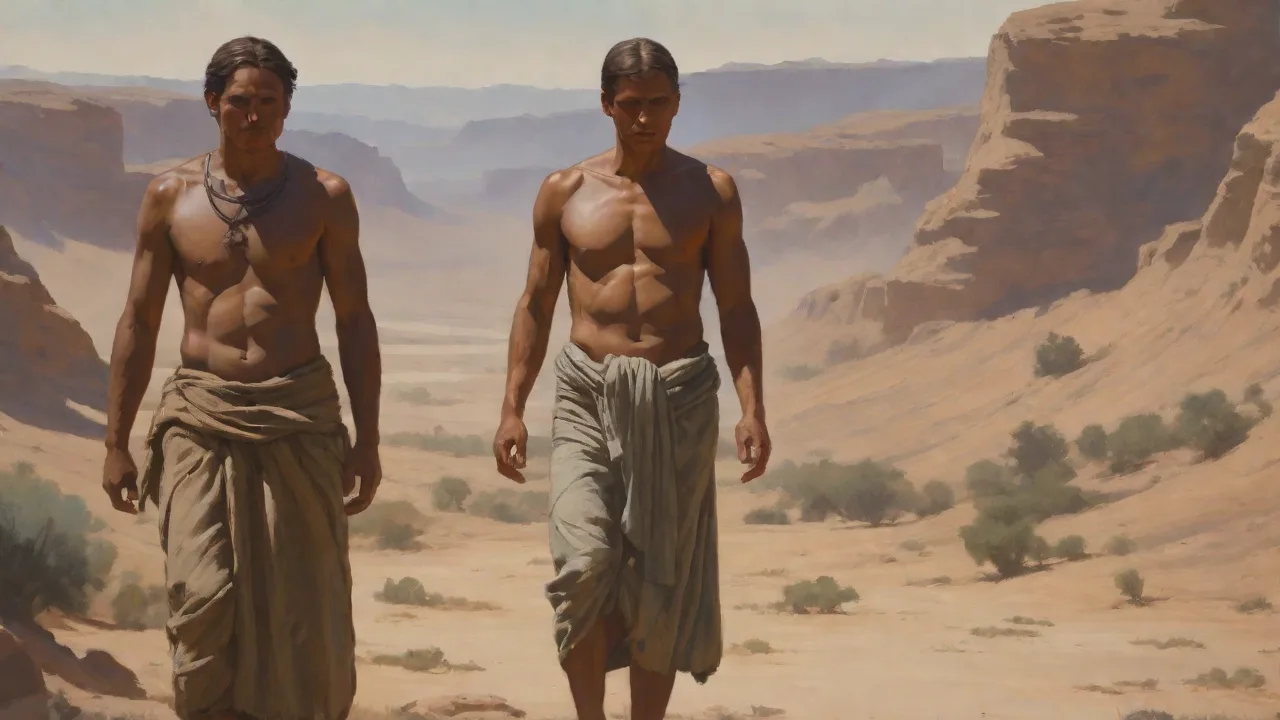
The Use of Natural Dyes and Pigments in Prehistoric Body Art
Natural dyes and pigments were among humanity's earliest technological innovations, used to create body art long before the advent of written history. Across every inhabited continent, prehistoric peoples transformed raw earth, plants, and insects into vibrant colors that marked their skin for reasons both practical and profound. These practices were not mere decoration; they were sophisticated expressions of culture, spirituality, and social organization, achieved with a deep understanding of local resources and chemistry. The study of these ancient cosmetics reveals a global heritage of ingenuity, connecting modern humans to their ancestors through the shared impulse to adorn the body with meaning.
Sources of Natural Dyes and Pigments
Prehistoric artists sourced their colors from three primary categories: mineral, plant, and animal. Each offered a distinct palette and required unique preparation methods. The choice of materials was heavily influenced by geography, climate, and available technology, leading to regional variations in color use and symbolism.
Mineral Pigments
Minerals provided the most durable and intense pigments, remaining vibrant for millennia. Ochre, a natural clay containing iron oxides, was the most widespread. It produced reds, yellows, and browns depending on the iron content and hydration level. Red ochre, associated with blood and life, was especially prized. Prehistoric miners extracted ochre from quarries in Australia, Africa, and Europe as early as 300,000 years ago. Charcoal, made from burned wood or bone, gave a deep black. Malachite, a copper carbonate mineral, offered bright greens; its use has been documented in Neolithic sites from China to Egypt. Other minerals included limonite (yellow), manganese dioxide (black), and gypsum (white). The grinding of these minerals into fine powders required stone mortars and pestles, tools found in many archaeological contexts.
Plant-Based Dyes
Plants produced a softer, more varied palette but often required mordants (fixatives) to bind to skin. Henna, derived from the leaves of Lawsonia inermis, was used in Africa, the Middle East, and South Asia for its orange-brown stain. Indigo, from Indigofera species, produced deep blue, though its application on skin was less common in prehistory due to the complex reduction process needed. Berries, roots, and barks provided reds, purples, and yellows. For example, alkanet root gave a red dye, while turmeric root (used in South Asia) yielded a bright yellow. The use of plant dyes required knowledge of seasonal harvesting, extraction (boiling or crushing), and sometimes fermentation. These techniques were likely held by specialized individuals within the community.
Insect and Animal Sources
Insects offered some of the most vivid reds and scarlets in the natural world. Cochineal, from the scale insect Dactylopius coccus native to the Americas, produced a crimson pigment that could be fixed to skin with binding agents. While its use in prehistoric body art is well-documented in Mesoamerican cultures, it may have been adopted much earlier in South America. Kermes, from Mediterranean scale insects, was used in the Old World. Additionally, certain mollusks produced purple dyes (such as Tyrian purple from Murex snails), though these were rare and costly, typically reserved for textiles rather than skin. Animal fats and marrow were often mixed with pigments to create paints that adhered well and resisted sweat or water.
Techniques of Application
Prehistoric body artists employed a variety of tools and methods to transfer pigments onto skin. The choice of technique depended on the desired effect, the durability needed, and the cultural context. These methods were refined over thousands of years, demonstrating a sophisticated understanding of materials and their properties.
Mixing and Binding
Raw pigments were rarely applied as dry powders; they needed a binder to stick to skin and maintain color. Common binders included animal fat (tallow, suet), plant oils (from nuts or seeds), egg yolk, and even blood. In some cases, plant gums or tree resins were used. The mixture was often ground together on a palette stone to achieve a smooth, consistent paste. The ratio of pigment to binder affected the paint's opacity, thickness, and drying time. Experimental archaeology has shown that a fat-based paint can last for days on skin, even during physical activity.
Application Tools
Fingers were the most basic tool, used for broad strokes or dots. Brushes were made from chewed twigs, plant fibers, or animal hair bound to sticks. Bones, especially hollow bird bones, could be used to blow powdered pigment or paint in fine sprays, creating stippled effects. Stamps and stencils made from carved wood or stone allowed for repeated patterns. In some cultures, sharpened thorns or bird claws were used for tattooing, where pigments were inserted into the skin. Dentalium shells and other natural objects served as containers for paint, and their presence in burials indicates the importance of body art kits.
Surface Preparation
Before applying paint, the skin was often cleaned and sometimes abraded lightly to improve adhesion. In hot climates, oils were applied first to protect the skin from staining. Tattooing, a permanent form of body art, required puncturing the skin with sharp tools and rubbing pigment into the wounds. Evidence for prehistoric tattooing comes from preserved mummies, such as the Tyrolean Iceman "Ötzi" (c. 3300 BCE), who had over 60 carbon-based tattoos, likely for therapeutic or ritual purposes.
Geographic and Cultural Variations
The use of natural dyes and pigments varied widely across prehistoric cultures. Each region developed its own palette, motifs, and symbolic meanings based on available resources and belief systems.
Africa
In Africa, ochre use dates back to at least 100,000 years ago at sites like Blombos Cave in South Africa. There, engraved ochre pieces suggest symbolic behavior. The San people of southern Africa used red ochre extensively in body paint for trance dances and initiation ceremonies. In the Nile Valley, predynastic Egyptians used green malachite and black galena eye paints (kohl) for both cosmetic and protective purposes, believing they warded off evil and eye infections.
Australia
Aboriginal Australians have one of the longest continuous traditions of body art, dating back at least 60,000 years. They used natural pigments from ochre, charcoal, and white clay in ceremonies called "corroborees." The colors held deep meanings: red for blood and land, yellow for sun, white for spirits, and black for darkness and night. Body paint designs were often specific to a person's totem, clan, and story. Ochre mines, such as those at Wilgie Mia in Western Australia, were sacred sites visited for millennia.
The Americas
In the Americas, prehistoric body art was rich and diverse. North American Plains tribes used natural pigments for war paint, but also for ceremonial and social purposes. In the Amazon, indigenous groups used annatto seeds (for red/orange) and genipap fruit (for blue-black) to create intricate body patterns that signified age, status, and community role. In Mesoamerica, the Maya used a blue pigment called "Maya blue" (a mix of indigo and palygorskite clay) for body paint in rituals, including human sacrifice. Archaeological evidence from the Inca shows the use of cinnabar (mercury sulfide) for red face paint on elite mummies, though its toxicity was likely unknown.
Europe
European prehistoric body art is best known from the Ice Age figurines and cave paintings. The "Venus" figurines, such as the Venus of Willendorf, were colored with red ochre. At the Caves of Lascaux, footprints of human adults and children indicate that body paint was part of ceremonies. The Celts and Germanic tribes of the Iron Age used woad (a blue dye from Isatis tinctoria) to stain their bodies, described by Roman writers as "picti" (painted people). Woad was fermented into a paste and applied in patterns that may have been both decorative and intimidating.
Chemical and Physical Properties of Pigments
Prehistoric people were unwitting chemists, selecting pigments for their durability, safety, and colorfastness. Iron oxides (ochres) are among the most stable pigments, resistant to fading from sunlight and washing. Their powder form also has a pleasant clay-like texture that adheres well when mixed with fat. Charcoal is pure carbon, inert and black, but can be smeared easily. Malachite and azurite (copper carbonates) are sensitive to acids and may have caused skin irritation if left on too long. Some pigments, like cinnabar (mercury sulfide) and orpiment (arsenic sulfide), were toxic but were used nonetheless, suggesting that immediate visual effect outweighed long-term health risks. The use of mordants, such as alum (potassium aluminum sulfate), was discovered in several regions; these fixed plant dyes onto skin, making them more permanent.
Symbolism and Social Functions
Body art was never merely decorative; it communicated complex information within and between groups. The colors and patterns were a visual language that conveyed status, age, marital status, tribal affiliation, and spiritual power.
- Ritual and Religion: In many cultures, body paint was essential for contacting the spirit world. Shamans and priests used specific colors to embody deities or ancestors. For example, the use of white clay in some Australian ceremonies represented the spirits of the dead. In the Americas, black and red paint often represented the duality of life and death.
- Social Identity: Patterns and colors could indicate one's position in the hierarchy. In some Polynesian societies, only chiefs could wear certain shades of red derived from specific minerals. In Africa, young men and women undergoing initiation would be painted in distinctive patterns that marked their transition into adulthood.
- Protection and Camouflage: Body paint could serve practical purposes. Ochre may have acted as a sunscreen and insect repellent due to its clay and iron content. In hunting contexts, body paint helped hunters blend into their environment, a practice still used by many indigenous groups today. Some researchers also suggest that red ochre was used to deter biting flies, as the iron oxide may have interfered with their sensory organs.
- Warfare: Face and body painting in war served both psychological and practical functions. It intimidated enemies and fostered unity among warriors. The Celts' use of woad blue is said to have made them look fearsome, while Maori warriors of New Zealand used black and white facial patterns (moko) that were unique to each individual, akin to a signature.
Archaeological Evidence of Prehistoric Body Art
Direct evidence of prehistoric body art is rare because skin decays quickly. However, archaeologists have uncovered numerous indirect clues:
- Mummies: Preserved human remains provide the clearest evidence. Ötzi the Iceman had carbon tattoos. The Chinchorro mummies of Chile (5000–1500 BCE) were painted with red and black pigments. Mummies from the Tarim Basin in China (1800–200 BCE) show evidence of face painting with ochre and cinnabar.
- Burial Goods: Graves often contain pigment cakes, grinding stones, and paint pots. In the Gravettian culture of Europe (c. 30,000 years ago), burials were sprinkled with red ochre, a practice known as "ochre burial" that likely had symbolic meaning related to rebirth.
- Cave Art and Figurines: While not body art directly, cave paintings and portable art depict humans with painted patterns. The "Sorcerer" of Trois-Frères cave in France shows a human figure with animal horns and what appears to be skin painting. The "Venus" figurines are often painted with red lines that might represent body decoration.
- Residue Analysis: Modern chemical analysis of pigment containers has identified traces of blood, fat, and plant oils, confirming they were used as paints. Analysis of ochre pieces from Blombos Cave in South Africa (100,000 years ago) shows they were deliberately scraped and ground, evidence of the first known workshops for pigment production.
Legacy and Modern Relevance
The techniques and aesthetic traditions of prehistoric body art continue to influence contemporary art and culture. Many indigenous groups still use natural dyes for ceremonial body painting, preserving knowledge that dates back millennia. The chemistry of natural dyes and pigments is now studied by historians and scientists to understand ancient trade routes and resource management. Synthetic dyes have largely replaced natural ones in modern cosmetics, but there is a growing interest in sustainable, plant-based alternatives. Prehistoric body art reminds us that the desire for self-expression through color is a fundamental human trait, deeply rooted in our evolutionary past. It also highlights our ancestors' deep understanding of their environment, long before the scientific method formalized such knowledge.
Further reading: Early evidence of ochre use at Blombos Cave; The Ochre-Made World from the British Museum; Natural Dyes in Prehistoric Textiles and Body Art; Smithsonian article on ochre in Kenya.
Conclusion
The use of natural dyes and pigments in prehistoric body art represents one of humanity's earliest creative acts—a fusion of science, art, and belief. By harnessing the colors of the earth, plants, and insects, ancient peoples created a rich visual culture that communicated identity, spirituality, and power. The archaeological record shows that this practice was not a marginal activity but a central feature of social life, requiring specialized knowledge and long-distance trade in some cases. Today, as we rediscover the chemistry and cultural significance of these ancient colors, we gain a deeper appreciation for the ingenuity and symbolic thinking of our ancestors. Their painted bodies, though lost to time, live on through the artifacts they left behind, continuing to inspire and inform our understanding of the human story.